by Darpan Sachdeva
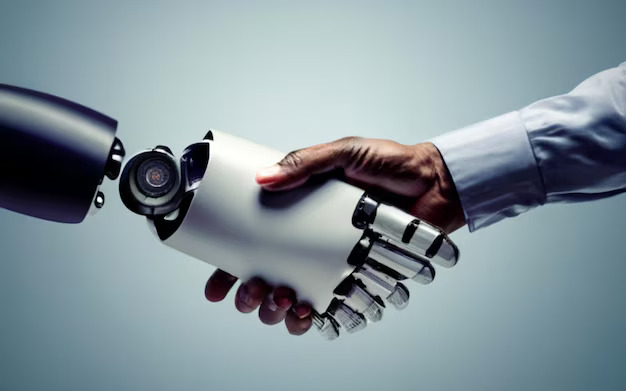
There’s a particular energy that fills the air when extraordinary amounts of capital start moving in a single direction. It’s the same electricity that hummed through Silicon Valley when the first iPhone launched, when Facebook connected its billionth user, when cloud computing transformed from a concept into the backbone of modern civilization. This week, I witnessed that energy surge again as a single venture capital firm raised $15 billion in just three months—representing 18% of all venture capital allocated in the United States this year.
But here’s what struck me most: while billions pour into artificial intelligence infrastructure, while tech giants sign deals to build nuclear power plants to fuel their computational ambitions, and while we stand at the precipice of the most transformative technological revolution in human history, something crucial is missing.
We’re building the future at unprecedented speed, but we’ve forgotten to inspire people about the destination.
“It’s not faith in technology. It’s faith in people. Technology is nothing. What’s important is that you have faith in people, that they’re basically good and smart, and if you give them tools, they’ll do wonderful things with them.”
The Cathedral We’re Building Without Architects
Let me paint you a picture of where we are right now. Meta just announced partnerships to build 1.2 gigawatts of nuclear power capacity—enough to power a small city—just to run their AI data centers. They’re targeting reactor delivery by 2030. Think about that for a moment. A social media company is now in the energy production business at a nation-state level.
Meanwhile, the venture capital world is experiencing its own seismic shift. Firms are managing portfolios worth $90 billion, making bets that will shape the next decade of human progress. The entrepreneurs building in this space aren’t just creating apps or platforms anymore—they’re architecting the fundamental infrastructure of how humanity will work, create, and solve problems.
This is the world we’re living in. This is the cathedral we’re building.
But here’s the uncomfortable truth I’ve been wrestling with: we’re constructing this magnificent future while the average person looks on with growing fear and skepticism.
And honestly? Can you blame them?
When Innovation Becomes Intimidation
I’ve spent years studying what makes people successful, what drives personal transformation, what separates those who thrive in change from those who resist it. And I’ve learned this fundamental truth: people don’t resist change—they resist the unknown. They resist feeling powerless in the face of forces they don’t understand.
Right now, AI has a massive narrative problem.
The public is being told that AI will revolutionize everything, but the message they’re receiving isn’t inspirational—it’s ominous. They hear about data centers consuming vast amounts of water and energy. They read headlines about AI potentially displacing 50% of entry-level white-collar jobs. They see CEOs announcing layoffs while celebrating “efficiency gains from AI.” They watch self-driving cars navigate their streets and wonder when their own job will become automated.
When the people building these systems describe their work, they talk about “summoning demons” or acknowledge that “AI will probably lead to the end of the world, but in the meantime, there’ll be great companies.” This might work brilliantly for fundraising from investors who want to own a piece of the future, but it’s catastrophic for building public trust and enthusiasm.
We’ve entered what historians will likely call “Tech Lash 2.0”—a growing sentiment that technology, and specifically AI, represents a threat rather than an opportunity.
The Steve Jobs-Sized Hole in AI’s Heart
Here’s where the real lesson for all of us comes in, whether you’re building a tech company, growing a business, or simply working on personal development: technical excellence without emotional connection is incomplete.
Think about how Steve Jobs presented technology. When he introduced GarageBand, he didn’t lead with the technical specifications or the complexity of the audio processing algorithms. He said, “Now anyone can be a musician.” When he showed off the iPhone, he focused on how it would put the internet in your pocket, how it would change your daily life, how it would empower you.
The focus was never on the machine. It was always on the human using the machine.
Jobs understood something profound that we’re forgetting in the AI revolution: people don’t buy technology—they buy better versions of their lives. They buy possibility. They buy empowerment. They buy the feeling of being more capable tomorrow than they are today.
Right now, AI needs a Jobs. Not just a brilliant engineer or a visionary scientist, but someone who can translate the transformative potential of this technology into human terms. Someone who can make a grandmother in Ohio feel excited about AI rather than threatened by it. Someone who can show a truck driver in Scotland how AI might create opportunities rather than just eliminate his livelihood.
The Architecture of Trust
This challenge extends beyond just messaging—it’s about how we approach building the future itself.
There’s a fascinating debate happening right now about the physical architecture of our technological infrastructure. Should data centers be beautiful buildings that enhance communities, or utilitarian boxes that maximize efficiency? Should we care about the aesthetic impact of the massive facilities we’re constructing to power the AI revolution?
On the surface, this might seem trivial. But it represents something deeper: are we building a future that people want to be part of, or are we just building the future we can raise funding for?
Research shows that traditional architectural styles with variation and harmony actually reduce visual stress compared to modern facades with repetitive patterns and hard lines. The buildings we construct shape how we feel, how we think, how we experience daily life.
This principle applies to everything we build, not just buildings. The user interfaces we design, the workflows we create, the ways we integrate AI into existing systems—all of it should be constructed with human experience at the center.
The Personal Development Parallel
If you’re reading this and thinking, “But I’m not building AI systems or founding tech companies”—I want you to understand that these lessons apply directly to your personal growth journey.
Success in any domain requires the same thing AI needs right now: the ability to inspire trust while demonstrating capability. Think about the leaders you admire most. They’re not just technically proficient—they make you believe in where they’re going. They make you want to follow them into the unknown.
Whether you’re building a career, starting a side business, or working on becoming the best version of yourself, you face the same challenge: how do you communicate your value and vision in a way that invites others to believe in your journey?
The entrepreneurs who will win in the AI era aren’t just those with the best technology—they’re the ones who can mobilize resources, demonstrate deep industry knowledge, and inspire belief in a future that doesn’t yet exist. The same applies to your personal brand, your career trajectory, your impact on the world around you.
The $15 Billion Question
So what does it mean when $15 billion gets raised in three months? When firms managing $90 billion place massive bets on the AI revolution? When tech companies start building nuclear power plants?
It means we’re living through a moment of extraordinary wealth creation and technological transformation. But more importantly, it means we’re at a critical juncture where the decisions we make now will shape the trajectory of human civilization for generations.
The money flowing into AI isn’t just about returns—it’s a bet on human ingenuity. It’s a belief that when we give people powerful tools, they’ll use them to solve previously unsolvable problems. That they’ll cure diseases, unlock new forms of creativity, expand the boundaries of what’s possible.
But that bet only pays off if people actually adopt and embrace these technologies. And they’ll only do that if they trust that the future we’re building is one they want to live in.
Building The Future People Want
As I reflect on these developments, I keep coming back to a simple truth: the future isn’t something that happens to us—it’s something we actively create. And right now, we have the opportunity to create something extraordinary.
But it requires a shift. Instead of leading with the technology and hoping people understand the benefits, we need to lead with the human outcome and show how technology enables it. Instead of talking about how AI will replace jobs, we need to focus on how it will augment human capability and create entirely new categories of work. Instead of celebrating efficiency and scale, we need to celebrate empowerment and possibility.
The companies that will thrive in this era won’t be the ones with the most powerful models or the biggest compute clusters—they’ll be the ones that make people feel more capable, more creative, more human. The ones that enhance our humanity rather than replacing it.
This is true for all of us, in whatever domain we’re building. Your technical skills matter, but your ability to inspire belief matters more. Your capabilities are important, but your capacity to make others feel empowered through your work is what creates lasting impact.
The Path Forward
We’re standing at an inflection point. Massive capital is flowing into technologies that will reshape everything. Nuclear power plants are being built to fuel computational infrastructure. Billion-dollar companies are being founded at unprecedented rates. The AI revolution is here, and it’s moving faster than anything we’ve seen before.
But the revolution will only succeed if it brings people along. If it inspires rather than intimidates. If it empowers rather than excludes.
This is our challenge and our opportunity. Whether you’re a founder, an investor, an employee at a tech company, or simply someone trying to navigate this transforming world—you have a role to play in shaping how this future unfolds.
Build with humans at the center. Communicate with empathy and inspiration. Create value that people can feel, not just measure. Trust that when you give people powerful tools and help them understand how to use them, they’ll do extraordinary things.
The cathedral we’re building is magnificent. But it’s only as great as our ability to help everyone see themselves living in it.
The $15 billion question isn’t whether AI will transform the world—it’s whether we’ll transform it in a way that brings humanity forward together.
And that answer lies not in the technology we build, but in the stories we tell about it and the trust we cultivate along the way.
What future are you building? And more importantly, how are you inspiring others to believe in it?
The greatest innovations in history weren’t just technically superior—they were emotionally resonant. In a world of unprecedented technological change, your ability to connect human aspiration with technical capability might be your most valuable skill.
Keep pushing forward. Keep building with purpose. The future is being written right now, and you’re holding the pen.
 Darpan Sachdeva is the CEO and Founder of Nobelthoughts.com. Driven by a profound dedication to Entrepreneurship, Self-development, and Success over an extended period, Darpan initiated his website with the aim of enlightening and motivating individuals globally who share similar aspirations. His mission is to encourage like-minded individuals to consistently pursue success, irrespective of their circumstances, perpetually moving forward, maintaining resilience, and extracting valuable lessons from every challenge.