by Darpan Sachdeva
I’ve been staring at my reflection in the mirror for the past few months, asking myself the same question that haunts every aspiring entrepreneur: “Am I cut out for this?” The answer, I’m learning, might be more complex than I initially thought.
You see, growing up in an Indian Army family, with my father being a retired Army officer, I was conditioned to believe that expertise meant everything. That you needed to master your craft, understand every nuance, and only then could you dare to venture into uncharted territories. This belief system led me to the National Defense Academy, where for over a year, I immersed myself in the rigorous training that shapes future military leaders. But something inside me whispered that there was a different path waiting.
That whisper led me to abandon the conventional route and step into the chaotic, uncertain world of entrepreneurship. Today, I’m still navigating this journey, still learning, still far from the financial success I dream of achieving. But recently, I encountered a story that fundamentally shifted my perspective on what it means to be an outsider in business.
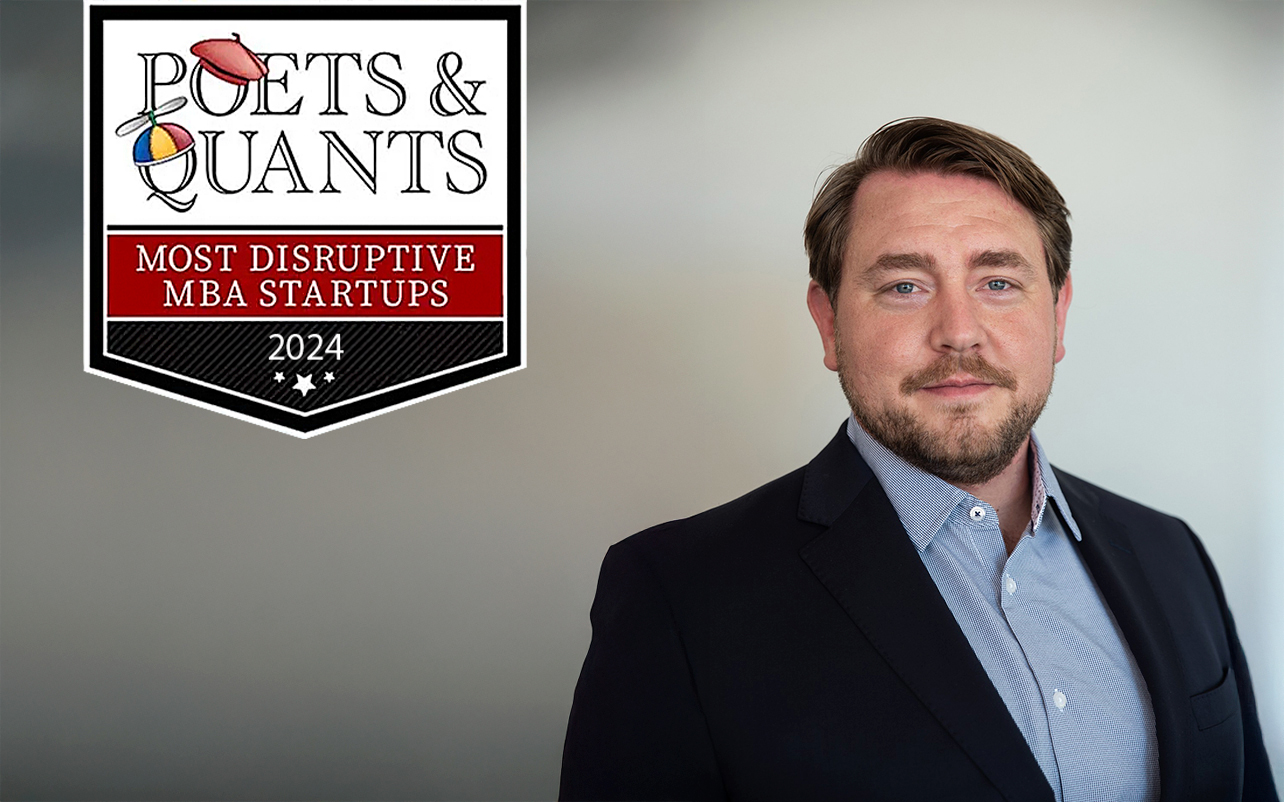
Sean Finney’s journey from Naval Officer to skincare entrepreneur isn’t just another business success story. It’s a masterclass in how ignorance, when paired with curiosity and determination, can become your most powerful weapon. Sean didn’t know the skincare industry when he started Tano Skincare. He had no connections, no deep understanding of formulations, no insider knowledge of distribution channels. What he had was something far more valuable: the audacity to question everything.
The turning point in Sean’s story traces back to a childhood accident in Brazil when he was just nine years old. A severe leg injury that could have been catastrophic was treated by a local using banana tree sap – an ancient remedy that not only stopped the bleeding but inspired what would later become the hero ingredient of his skincare line. Sometimes our greatest innovations don’t come from boardrooms or laboratories, but from moments of raw human experience that connect us to timeless wisdom.
This resonates deeply with my own journey. Like Sean, my military background initially felt like a disadvantage in the business world. The structured, hierarchical thinking that the armed forces instill seemed at odds with the fluid, adaptive nature of entrepreneurship. But I’m beginning to understand that this perceived disadvantage might actually be my edge.
Sean’s Naval experience, much like mine at the NDA, taught him something invaluable: extreme ownership and the ability to thrive in situations where you’re perpetually underqualified. In the military, you’re constantly thrust into roles that stretch your capabilities, forcing you to learn rapidly and lead confidently despite uncertainty. This isn’t a bug in military training; it’s a feature that creates leaders who can navigate the unknown.
The mantra that guided Sean through his transition from naval officer to entrepreneur was simple yet profound: “It’s okay not to know, but it’s never okay not to learn.” This philosophy fundamentally challenges the traditional business wisdom that says you need years of industry experience before you can succeed. Sean’s lack of skincare knowledge wasn’t a liability – it was liberation from conventional thinking that often limits innovation.
While industry veterans were focused on cost margins and established practices, Sean approached skincare formulation with the curiosity of a child and the analytical mind of an engineer. He didn’t know that certain things were “impossible” or “not how we do things here,” so he simply focused on what worked. This outsider perspective led to more effective formulations because he wasn’t constrained by industry dogma.
This lesson hits close to home for me. As someone still building my entrepreneurial foundation, I often feel intimidated by established players who seem to have all the answers. But Sean’s story reminds me that my questions – even the seemingly “stupid” ones – might be exactly what the market needs to hear. Being an outsider isn’t a disadvantage to overcome; it’s a superpower to leverage.
In our hyper-connected, AI-driven world, authenticity has become the scarcest commodity. Sean discovered that his raw, honest videos and behind-the-scenes stories consistently outperformed polished, professional content. People don’t just buy products; they buy into stories, values, and authentic human connections. In a marketplace saturated with perfection, imperfection becomes magnetic.
This authenticity principle extends beyond marketing into the core of how we approach business building. Sean’s willingness to share his learning process, his mistakes, and his uncertainties created stronger connections with customers than any slick advertising campaign could achieve. It’s a reminder that in our pursuit of professional credibility, we shouldn’t lose the human element that makes us relatable and trustworthy.
As I continue my own entrepreneurial journey, still far from the financial success I’m working towards, Sean’s story offers a different framework for measuring progress. Success isn’t just about achieving expertise before you begin; it’s about maintaining curiosity and learning velocity throughout the journey. It’s about embracing your outsider status and using it to ask better questions, challenge assumptions, and create solutions that insiders might never consider.

The skincare industry didn’t need another expert following established protocols. It needed someone curious enough to wonder why ancient banana sap remedies weren’t being explored in modern formulations. Similarly, your industry might not need another expert – it might need your unique perspective, your “stupid” questions, and your willingness to challenge the status quo.
Sean’s transformation from naval officer to successful entrepreneur wasn’t achieved by becoming an insider; it was achieved by remaining proudly, strategically outside. His military background didn’t need to be abandoned or hidden – it became the foundation of his entrepreneurial strength.
For those of us still climbing our respective mountains, still learning, still making mistakes, Sean’s journey offers profound hope. We don’t need to wait until we’re experts to begin. We don’t need to apologize for our outsider status or our unconventional backgrounds. What we need is the courage to remain curious, the discipline to learn rapidly, and the authenticity to build genuine connections in an increasingly artificial world.
Your biggest weakness – whether it’s lack of industry experience, unconventional background, or outsider status – might just be your greatest competitive advantage. The question isn’t whether you’re qualified to succeed; it’s whether you’re curious enough to learn, brave enough to question, and authentic enough to connect.
The market doesn’t need more experts. It needs more truth-tellers, question-askers, and boundary-pushers. It needs people who don’t know what’s impossible, so they go ahead and do it anyway.
 Darpan Sachdeva is the CEO and Founder of Nobelthoughts.com. Driven by a profound dedication to Entrepreneurship, Self-development, and Success over an extended period, Darpan initiated his website with the aim of enlightening and motivating individuals globally who share similar aspirations. His mission is to encourage like-minded individuals to consistently pursue success, irrespective of their circumstances, perpetually moving forward, maintaining resilience, and extracting valuable lessons from every challenge.